So Close, Yet So Far: Why Winning Hands Collapse When the Finish Line Is in Sight
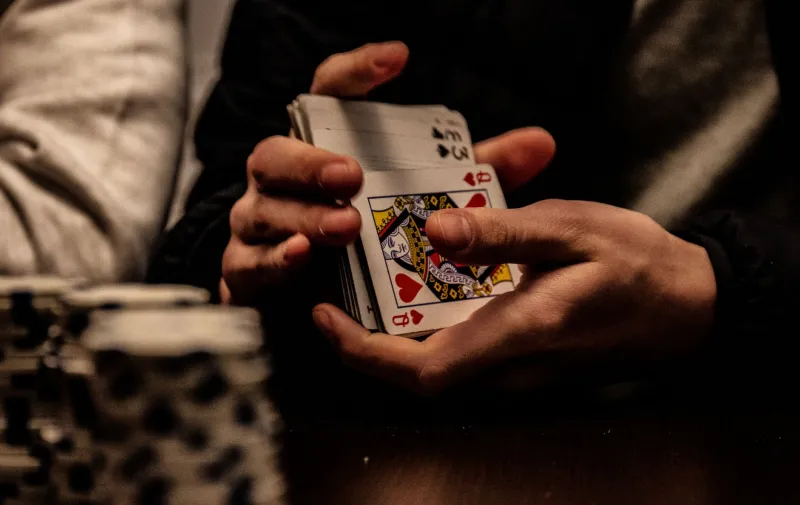
There's a particular kind of pain that every rummy player knows. You've spent the better part of a game carefully threading sequences together, managing your discards like a chess grandmaster, and reading the table like a seasoned poker pro. You're one or two cards away from a clean finish. And then, out of nowhere, the whole thing unravels.
You discard the wrong card. Your opponent swoops in. The draw pile betrays you. And just like that, a dominant hand turns into a costly loss.
This isn't bad luck. It's a pattern — one that shows up constantly at every level of play, from casual kitchen table games to high-stakes tournaments. Understanding why it happens is the first step to making sure it stops happening to you.
The Pressure Trap: How Proximity to Victory Messes With Your Head
Here's something sports psychology has known for decades: the closer athletes get to the finish line, the more their brains start working against them. Golfers call it the yips. Basketball players call it choking at the free-throw line. In rummy, we don't have a catchy name for it, but the phenomenon is just as real.
When you're three cards deep into a near-complete hand, your brain shifts from strategic mode into protective mode. Instead of continuing to think clearly about what your opponents might be holding or what the discard pile is signaling, your mind narrows its focus to one obsessive thought: don't mess this up.
That mental tunnel vision is where mistakes breed. You stop tracking which cards have been played. You make overly conservative discards that actually telegraph your sequences to attentive opponents. You start drawing from the pile on autopilot instead of pausing to evaluate whether a discard pickup makes more sense. All the sharp, deliberate thinking that built your strong hand gets replaced by anxiety-driven reflex.
The Discard Panic Problem
One of the most common ways strong hands fall apart in the final rounds is through what we'd call discard panic — the tendency to make rushed, defensive throws that end up being more dangerous than they feel in the moment.
Here's how it plays out: You're holding a near-complete hand and you need to shed one card. The "safe" option feels like throwing something mid-range, something you assume nobody wants. But because you've stopped actively tracking your opponents' patterns, you're guessing. And that guess — especially in a 27-card game where hands are complex and sequences run deep — can hand your opponent exactly the card they need to finish before you do.
Elite players handle this differently. They don't just evaluate a discard based on what they need. They cross-reference it against everything the discard pile has already revealed about what their opponents are chasing. That discipline doesn't disappear when the stakes get high. If anything, it sharpens.
What the Best Players Do Differently in Crunch Time
Watch a skilled tournament rummy player in the final rounds and you'll notice something almost counterintuitive: they slow down. Not dramatically, not in a way that violates table etiquette, but there's a deliberate pause built into each decision. They're not rushing to the finish line. They're making sure every step toward it is intentional.
That slowdown serves a few purposes. First, it interrupts the anxiety feedback loop. Taking a beat before each draw or discard forces your brain back into analytical mode. Second, it gives you time to do a quick mental audit — what sequences do you still need to complete, what cards are likely dead based on what's been played, and what does your opponent's last discard tell you about their hand?
Another technique top players swear by: mentally locking in your sequences before you're forced to make a final decision. This means identifying, with as much certainty as possible, the exact cards you're waiting on and ranking your remaining discards by risk level. If you've done that work before the pressure spikes, your final-round decisions become execution rather than improvisation.
Reorganize Under Fire
Here's a move that separates good players from great ones — the willingness to restructure a near-complete hand when a better path opens up, even late in the game.
Most players, once they've committed to a particular set of sequences, treat that structure as sacred. They'll chase those specific combinations even when the draw pile and discard patterns are clearly signaling that a different arrangement of the same cards would be easier to complete.
Flexibility in the final rounds isn't panic — it's adaptability. If you're holding cards that could form two different valid sequences and the one you've been chasing looks increasingly blocked, the smart move is to pivot. Yes, it feels uncomfortable. Yes, it means mentally rebuilding your hand under pressure. But it's almost always better than stubbornly chasing a sequence that your opponents may have already killed.
Build a Pre-Round Ritual
One practical tool that competitive players across a lot of card games use is a simple mental reset between rounds. Before you pick up a new hand or before the final rounds kick in, take five seconds to clear the mental clutter. Breathe. Remind yourself of the core strategic principles you're playing with. This sounds almost too simple to matter, but the research on performance under pressure consistently shows that brief intentional resets reduce error rates in high-stakes moments.
At 27 Rummy, we talk a lot about dealing smart and playing sharp — and that philosophy doesn't just apply to the opening rounds when you're building your hand. It applies especially to the final stretch, when every discard carries more weight and every draw could be the one that changes everything.
The Takeaway
Winning hands don't fall apart because of bad cards. They fall apart because of mental drift — the moment you stop playing your game and start playing scared. The solution isn't to feel less pressure. Pressure at the table is unavoidable, and honestly, it's part of what makes rummy worth playing.
The solution is to build habits that hold up under pressure. Track the discard pile all the way to the end. Stay flexible with your sequences. Slow your decisions down when the stakes go up. And when that winning hand finally comes together, make sure it's your discipline that closes it out — not just your luck.
Because in rummy, the players who win consistently aren't the ones who get the best cards. They're the ones who don't flinch when it counts.