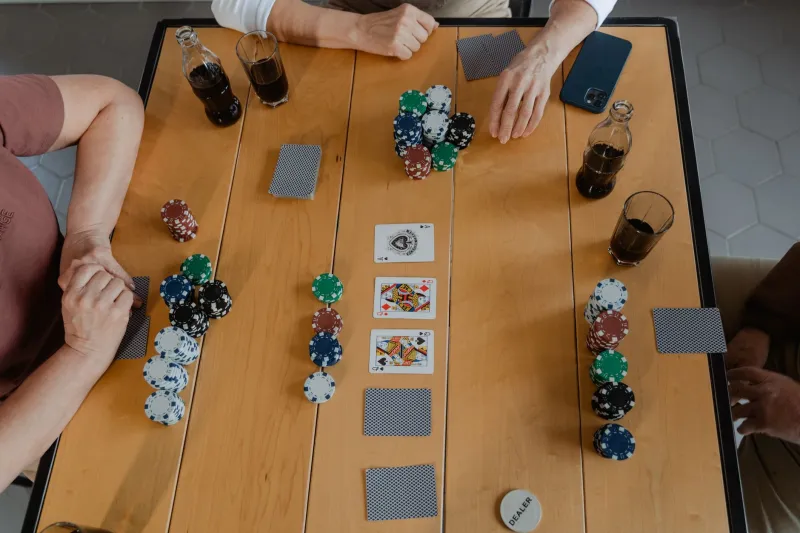
Own the Room: How Elite Rummy Players Turn a Target on Their Back Into a Tactical Weapon

There's a specific moment every aggressive rummy player knows. You've just steamrolled through two consecutive rounds, picked apart someone's carefully built hand with a well-timed discard, and now you can feel it — the table has shifted. Eyes linger a half-second too long before someone draws. Discards get hesitant. Someone mutters something under their breath.
Congratulations. You've officially become the villain.
Here's the thing most players get wrong: they treat that status like a problem to fix. The best 27 Rummy players alive treat it like a gift.
Why Dominant Play Turns You Into a Target
Human psychology at the card table is surprisingly predictable. When one player consistently outpaces the field — drawing efficiently, building melds faster, keeping their point count lean — the other players don't just adjust strategically. They start to take it personally.
This is especially true in longer sessions and multi-round tournament formats where the same group of players sits together for extended stretches. Repeated dominance triggers something competitive and emotional in most people. They stop asking "what's the best move for my hand?" and start asking "how do I stop that guy?"
Once that mental switch flips, you've won half the battle without playing a single card.
The Emotional Tax Your Opponents Are Paying
When players shift into reactive mode — specifically reacting to you — their decision-making degrades in some very specific, exploitable ways.
They over-hold high-value cards. If an opponent thinks you're building toward a particular meld, they'll clutch cards they'd otherwise discard just to deny you. Those cards are dead weight in their hand, quietly bleeding points.
They telegraph their strategy. Emotional players are loud players. Their hesitation before discarding, their visible relief when you pick from the deck instead of the discard pile — it all becomes readable. You stop guessing what they're holding and start knowing.
They abandon their own game plan. This is the big one. A player who entered the round with a coherent strategy will sometimes throw it out entirely just to chase you down. They'll chase incomplete melds, hold off on declaring when they should, and take risks that don't make mathematical sense — all because beating you has become the goal instead of winning the round.
None of this happens to a player who blends into the background. The villain draws fire. And fire is information.
When to Lean Into the Role
Not every session calls for you to wear the target proudly. Reading the room matters here.
Lean into aggressive, dominant play when:
- You're in a points-based tournament format. If the scoring rewards consistent performance over multiple rounds, getting opponents to play emotionally against you can suppress their scores while you stay disciplined.
- The table is short-handed. Fewer players means emotional dynamics amplify faster. One or two rattled opponents in a four-player game is a massive swing.
- You're already ahead. Counterintuitive as it sounds, pressing your advantage when you're leading keeps opponents in scramble mode. They can't reset their strategy if you never let them breathe.
Back off the villain energy when you're genuinely in a weak position. Playing aggressive with a bad hand just hands people a reason to feel good about themselves — and a confident opponent is a focused opponent.
How to Read When They're Playing You Instead of the Game
This is where 27 Rummy separates the sharp players from the rest. You need to develop an eye for the moment an opponent's play stops being about their hand and starts being about you.
Watch for these signals:
- Unusual holds on mid-value cards. If someone's sitting on a seven or eight of a suit for three or four draws with no obvious meld in progress, they're likely blocking you based on a read — or a fear.
- Discards that feel pointed. When an opponent throws out a card that seems to hurt their own hand but is clearly useless to you, they're making an emotional play. They'd rather lose points than help you.
- Speed changes. Players who normally draw and discard with rhythm will slow down noticeably when they're rattled. They're calculating you, not their own hand.
Once you spot these tells, adjust accordingly. If they're holding back cards to deny you a meld you've already abandoned, let them hold those cards. Pivot your build elsewhere and let their hoarding punish them in the final count.
The Reputation Economy
Here's a longer-game concept worth understanding: your reputation at a table is a resource you can spend.
If you've built a reputation as an aggressive, unpredictable player over a session or a tournament series, you can cash that in by playing a quietly conservative hand — and watching opponents over-respond to threats that don't exist. They see you drawing confidently and assume you're building something dangerous. They react to the idea of you, not the cards you're actually holding.
This is the highest level of the villain arc. You're not just benefiting from opponents playing emotionally. You're directing their emotional response like a conductor.
Elite players in competitive American rummy circuits understand this cycle well. Build the reputation, let opponents chase ghosts, collect the points while they burn energy on a threat that's already walked out the back door.
Staying Sharp While Playing the Villain
One trap that catches even experienced players: getting so caught up in managing the table's emotions that you lose track of your own game. The villain role works because you stay disciplined while everyone else doesn't. The moment you start making moves designed to perform dominance rather than build a winning hand, you've handed your opponents exactly the reset they needed.
Keep the math honest. Track the discard pile. Manage your own point exposure. The psychological edge only works when it's layered on top of solid fundamentals — not used as a substitute for them.
At 27 Rummy, the cards are always the foundation. The mind games are just what you build on top.
The Bottom Line
Being the player everyone wants to beat isn't a curse — it's a cheat code, if you know how to read it. Aggressive play creates emotional responses. Emotional responses create mistakes. Mistakes create points on your side of the ledger.
Wear the target. Study the room. Deal smart, play sharp, and let everyone else's frustration do the heavy lifting.