Eight Friends, One Trophy: Building a Neighborhood 27 Rummy League That Survives October

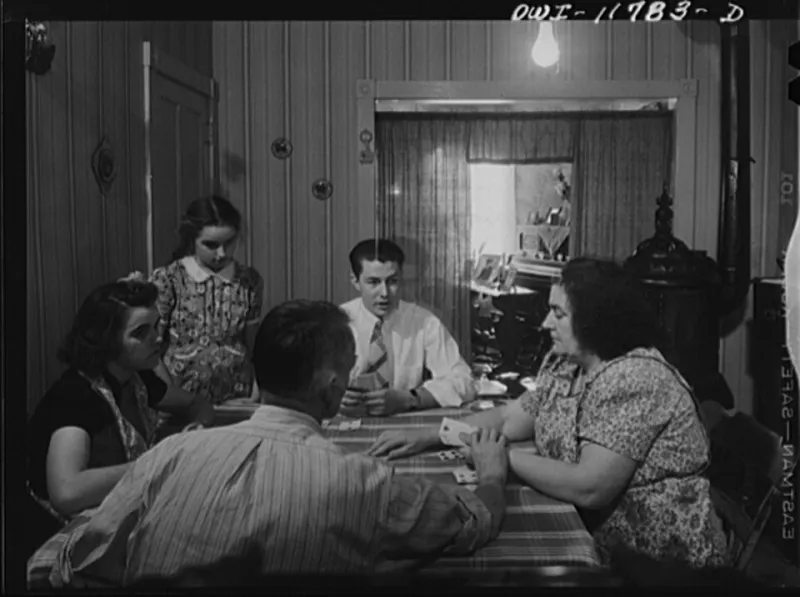
Photo: Monikaa Baskar, CC0, via Wikimedia Commons
Every home card game in America follows the same arc. Three glorious weeks in September, a scheduling wobble in October, one person who cannot make Thursdays anymore, and by Thanksgiving it is a group chat full of thumbs-up emojis and nothing else.
The game was never the problem. The structure was. A recurring 27 Rummy league is a small piece of civic engineering: schedule, scoring, money, conflict, and snacks, all pulling in the same direction. Get those five right and people show up without being nagged.
Start With a Rules Doc Nobody Hates
Before the first hand, write it down. One page, shared link, everyone can read it. Cover the deck and dealing conventions your table uses, wild cards, how a hand is called, and — most importantly — what happens when two people disagree.
Keep it short enough that people actually read it. Nobody joins a league to study a charter. If your group plays a house variant, name it plainly and write it in bold. Ambiguity is where grudges grow, and a grudge in week three is a season-ender.
Pick a Night That Survives Real Life
Weekly sounds romantic and fails in practice. Most successful neighborhood leagues run every other week with a fixed day — say, second and fourth Sunday, 4 p.m. to 8 p.m. Fewer dates means fewer conflicts, and the ones you hold feel like an event instead of an obligation.
Be ruthless about the start time. A league that starts at around seven starts at seven-forty and ends with two players leaving before the final hand. Set the clock, run it, and honor it.
Also, check the calendar against the obvious local conflicts before you publish the schedule. Football Sundays, school breaks, and the stretch between Thanksgiving and New Year's will eat your attendance if you pretend they will not.
Scoring That Keeps the Season Alive Until December
Two things kill league standings: runaway leaders and dead-money players who stop caring in week six. Build a system that resists both.
A workable structure:
- Match points per session. Award points for finishing position each night, not raw chip totals. This flattens single-night blowouts.
- Participation floor. Everyone who shows up banks a small base of points. Attendance should be rewarded, not just punished when it is missing.
- Best-of drop. Count each player's best N-1 sessions, so one missed night does not end a season.
- Bonus for a called hand. A small kicker for closing a hand cleanly keeps people pushing to finish rather than stall.
Post the standings in the group chat after every session. Visible, current, and simple enough to be understood at a glance.
Buy-Ins, the Pot, and the Awkward Money Talk
Money is the fastest way to lose a friend and the fastest way to make a league feel real. Keep it modest.
A weekly buy-in somewhere between five and twenty dollars is the sweet spot for most groups — enough that people care about their discards, not enough that anyone is playing scared or angry. Collect it in cash, count it in front of everyone, and write down who has paid.
For the season pot, decide up front how it splits: a chunk to the season champion, a smaller piece to the runner-up, and — this is the part people forget — something for the player who improved most or hit a milestone. It keeps the middle of the standings engaged.
One rule that saves friendships: no borrowing, no IOUs, no side bets. If you did not bring it, you sit that night out and keep score.
Disputes: One Referee, No Committee
Arguments at a card table are about rules maybe ten percent of the time and pride the other ninety. Committees make it worse. Appoint one rules keeper for the season — rotating is fine, but only one person rules per session.
The referee's job is to make a call in under thirty seconds and move on. Not to be right. To be fast. Then, between sessions, the group can amend the rules doc if the call was genuinely bad. Never relitigate at the table, and never let the person who is winning the hand referee it.
The Social Details That Actually Keep People Coming
Nobody admits this, but attendance is driven by hospitality as much as cards. A few cheap investments:
- A rotating food assignment. Not a full dinner — snacks, or a pot of chili, or whatever the host wants to make. Rotating it turns hosting into a shared cost instead of a tax on one generous friend.
- A season-long group chat that is not only logistics. Post the standings, sure. Also post the ridiculous hand from last week and the photo of the standings whiteboard.
- Name the trophy. A fifteen-dollar piece of hardware that gets its winner's name written on it in Sharpie does more for retention than any prize pool. People want their name on the thing.
- Start on time, end on time. Respecting people's Monday mornings is the most underrated act of hospitality in home gaming.
Graduation Night
Plan the finale before the season starts. A longer session, a slightly bigger buy-in, a real trophy presentation, and a photo of the whole table. That last night is what people remember when they are deciding, next September, whether to do it again.
Because that is the actual goal. Not a perfect scoring system. Not a flawless rules doc. Just a game that is still running when the leaves are gone and the calendar turns, with eight people who are genuinely glad it is their turn to host.
Deal smart. Play sharp. Win big.