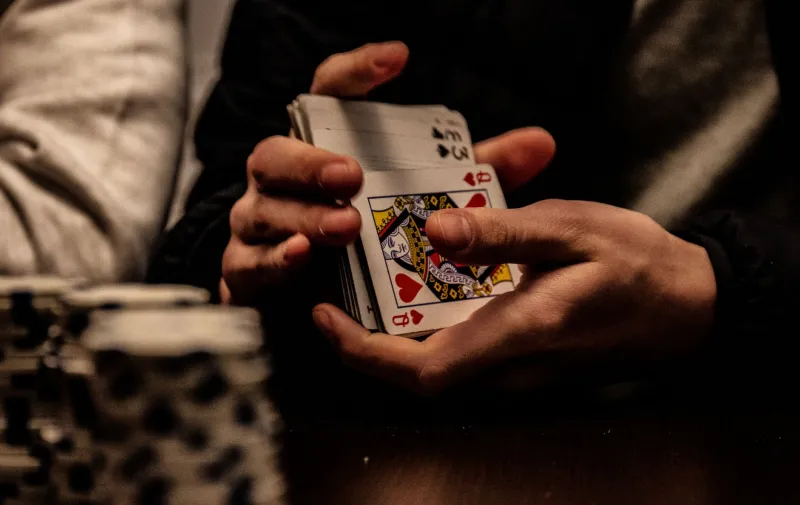
When Gutsy Moves Go Sideways: The High-Stakes Gambles That Ended Careers at the Table
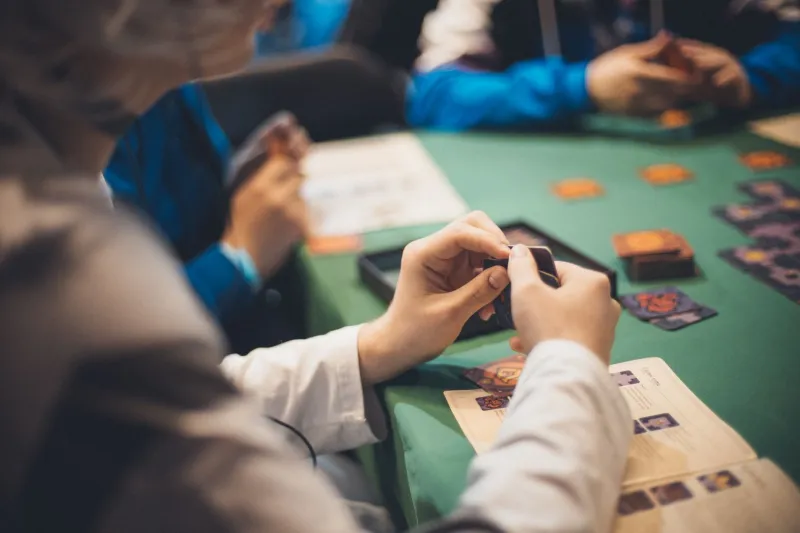
There's a certain kind of rummy player you've probably seen at the table — or maybe you've been that player. Confident. Calculated. Maybe a little cocky. They make a move that looks absolutely unhinged from the outside, and half the room holds its breath. Sometimes it works. The crowd exhales, the chips stack up, and the legend grows.
But sometimes? It doesn't work. And when it doesn't, it doesn't just cost a hand. It can cost an entire tournament run, a bankroll, and — if we're being honest — a little bit of your soul.
Welcome to the psychological minefield of competitive 27 Rummy, where the difference between bold and reckless isn't always obvious until after the damage is done.
The Thrill That Clouds Your Judgment
Aggressive play is a legitimate strategy. Nobody's arguing otherwise. In 27 Rummy, where hand size and scoring complexity create layers of opportunity that most card games can't touch, calculated risks are part of what separates average players from elite ones. Holding onto a high-value card longer than conventional wisdom suggests, or deliberately feeding your opponent a card to bait a reaction — these aren't crazy moves. They're chess, not checkers.
The problem kicks in when the thrill of being bold starts overriding your read of the actual situation. Tournament pressure does something weird to the brain. The stakes climb, the adrenaline spikes, and suddenly a move that would've looked obviously reckless during a casual Friday night game feels like pure genius under the lights.
Sports psychologists call this "action bias" — the deeply human instinct to do something rather than exercise patience. In rummy, it shows up when players force plays that simply aren't there yet.
The Discard That Opened the Door
Let's talk about a scenario that's played out at competitive tables across the country more times than anyone wants to admit.
A player is sitting in a strong position mid-tournament. They've built a solid partial meld, they're managing their point load responsibly, and the discard pile is giving them useful information about what their opponents are chasing. Then comes the moment of temptation.
They notice their opponent hasn't drawn from the discard pile in several turns. They assume — reasonably, but fatally — that the opponent isn't interested in any particular suit or sequence. So they discard a card they've been sitting on. A calculated "waste" to reduce their own hand weight.
Except the opponent was waiting for exactly that card. They'd been telegraphing disinterest deliberately — a patience play that paid off the instant the overconfident player blinked first.
This isn't a hypothetical. Variations of this exact sequence have appeared in documented competitive play at regional US tournaments, where players with dominant positions have handed away wins because they read a passive opponent as a weak opponent. Those are two very different things.
Aggression vs. Recklessness: Drawing the Line
So how do you know when you're being strategically bold versus just plain reckless? Here are the questions you should be asking yourself before pulling the trigger on any high-risk move:
1. What's my downside scenario? Before any aggressive play, map out what happens if it fails. If the worst case is a minor setback, that's one thing. If the worst case ends your tournament run, the risk-reward calculation changes dramatically.
2. Is this move based on evidence or assumption? Solid aggressive plays are grounded in what you've observed — discard patterns, draw behaviors, the cards that have cycled through. If your bold move is built on what you hope is true rather than what you've actually seen, you're gambling, not strategizing.
3. Am I doing this because it's smart, or because I'm bored? This one stings a little, but it's worth asking. Tournament play can include long stretches of patience and small incremental moves. When players get antsy, they manufacture excitement. That manufactured excitement often looks a lot like a "bold play" that was really just impatience wearing a disguise.
4. What does my opponent's behavior actually tell me? In 27 Rummy, your opponents are constantly broadcasting information — and sometimes they're doing it intentionally. A player who seems passive might be executing a long trap. A player who looks rattled might be sandbagging. Read behavior patterns over time, not just the last two turns.
The Confidence Trap
Here's where things get a little uncomfortable. Some of the most spectacular tournament collapses don't happen to bad players. They happen to good players who've let their own track record convince them they can read any situation correctly.
Success at the rummy table builds a kind of confidence that can quietly tip into overconfidence. You've made aggressive calls before. They worked. So when you're facing a tight situation and your gut says to push hard, you trust the gut — even when the gut is working off incomplete information.
The antidote isn't timidity. It's what coaches in competitive card gaming circles sometimes call "structured confidence" — trusting your instincts within a framework of disciplined observation. You're allowed to be bold. You're not allowed to be sloppy.
Learning From the Swing and the Miss
Every serious 27 Rummy player has a story about the move that backfired. The discard that handed someone a win. The hold that ballooned their point load at exactly the wrong moment. The bluff that the other player saw through immediately and punished without mercy.
These moments are painful. They're also invaluable.
The players who grow from those losses do something specific: they reconstruct the decision, not just the outcome. They ask where the reasoning went wrong, not just where the result went wrong. Because sometimes you can make a good decision and get a bad outcome — that's variance. But sometimes you make a bad decision and get lucky. Mistaking luck for skill is how the next catastrophic loss gets set up.
Keep a mental log — or an actual one, if you're serious — of your riskiest plays and how they resolved. Over time, patterns will emerge. You'll start to see whether your aggressive instincts are actually calibrated to the situations you're facing, or whether you're consistently overestimating your reads in certain scenarios.
The Boldest Move Is Sometimes the Patient One
Here's the counterintuitive truth that separates the good players from the great ones: at the highest levels of competitive 27 Rummy, the most audacious thing you can do is wait.
Waiting when every instinct screams to act. Holding a card one more round when it feels like forever. Letting an opponent believe they have you cornered while you quietly set up something better.
That kind of patience looks boring from the outside. From the inside, it's one of the hardest skills in competitive card gaming to master — and one of the most rewarding when it pays off.
Bold plays absolutely have a place in your arsenal. But they should be deployed with precision, not desperation. The table doesn't reward drama. It rewards decisions.
Deal smart. Play sharp. And the next time your gut tells you to swing big — make sure it's the right pitch first.