Grandma, the Cousins, and the Deck: Hosting a Post-Turkey Rummy Table Where Nobody Feels Lost

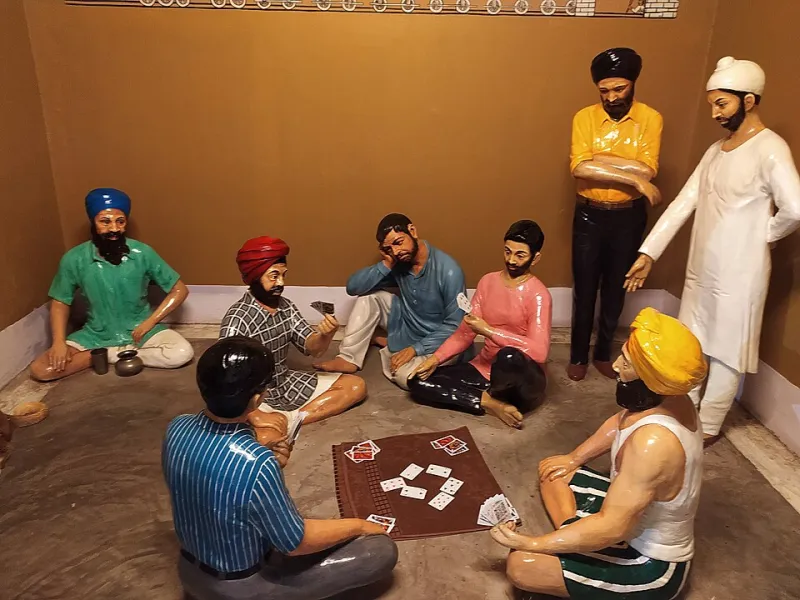
Photo: multi-generational family playing cards at dining table after thanksgiving dinner, warm indoor lighting, via images.gumtree.com.au
Every Thanksgiving has the same moment. The plates are cleared, someone is sawing at a second pie, the game is on in the other room, and the table is suddenly full of people who want to do something together but can't agree on what. Grandma is game. The cousins are game. The eight-year-old is very game. The one uncle is already explaining why he doesn't play cards.
That's the moment a 27 Rummy table can win the afternoon — if you set it up so the format does the heavy lifting instead of the rules explanation.
The Real Problem Isn't the Rules
Most family rummy nights die in the first ten minutes, and it's rarely because the game is too complicated. It dies because of pace. Full-length 27 Rummy hands are long. Long hands mean long waits for the person who went out early, long stretches of silence while someone decides, and long odds that a first-timer gets lost and stays lost.
Fix the pace and the table takes care of itself.
The Three-Sprint Format
Skip the marathon. Play three short sprints of roughly twenty minutes each, with pie breaks in between.
- Sprint deal: for the first sprint, trim the hand. Deal a shortened hand instead of the full 27-card spread so nobody is staring down a wall of cards while the gravy settles. Call it the holiday deal and say so out loud so no one thinks they're playing it wrong.
- Sprint length: three hands or twenty minutes, whichever comes first. Whistle when it's over. Nobody wins by attrition.
- Reset between sprints: reshuffle, rotate seats, restock drinks. The reshuffle is the most underrated social tool in card games — it breaks up cliques before they calcify.
Cap the Score, Not the Fun
Here's the rule that saves more Thanksgivings than any other: a mercy cap. No player can end the night more than 100 points in the hole. Anything past that gets forgiven on the scorecard.
It sounds soft. It isn't. A mercy cap does three things at once. It kills the hopeless feeling that makes a first-timer quit halfway through. It stops the experienced player from grinding a beginner into the tablecloth, because there's no advantage left to press. And it keeps the final standings close enough that the last sprint actually matters.
Announce the cap before the first deal. Half the table will relax the second they hear it.
Teach as You Go
Do not — repeat, do not — read the rules aloud while everyone is holding cards. Nobody retains it, and the person reading always sounds like a DMV pamphlet.
Instead, pair up. Every newcomer gets a coach sitting directly beside them, and the coach plays the first hand face-up. Talk through one decision at a time: here's why I'm keeping this card, here's why that discard is dangerous, here's what a meld looks like when it's finished. One hand played open teaches more than twenty minutes of explanation.
By the second hand, the newcomer plays closed. By the third, they're arguing about the discard pile with everyone else.
Seating: Build a Sandwich, Not a Clique
Seat experienced and new players alternately around the table. It sounds like a small thing. It's not. Clumped veterans turn into a private conversation with cards in it, and the newcomer on the end quietly checks their phone.
Two more seating notes that punch above their weight:
- Put your fastest player next to your slowest. Pace is contagious in both directions, and it's gentler than telling someone to hurry up.
- Put the running commentator across from the person who needs quiet. Energy is great. Energy in your ear for three hours is not.
And keep the small rituals — youngest shuffles, oldest cuts. It costs nothing and it makes the table feel like a tradition instead of an activity.
A Rough Holiday Timeline
- 3:45 — Table gets set while the pie comes out. Cards on the table early signals that a game is happening, which is half the recruitment battle.
- 4:15 — Sprint one. Shortened deal, coaches assigned, mercy cap announced.
- 5:00 — Break. Someone will want to keep playing. Let them, but only if a newcomer is in the group.
- 5:45 — Sprint two, full deal if the table is ready for it. Seats reshuffle.
- 6:30 — Sprint three, then trophies. A cheap trophy, a dish towel, a paper crown — anything that gets photographed.
When It Goes Sideways
The uncle who doesn't play cards? Give him a job. Scorekeeper, dealer, official pie cutter. People who don't want to play usually just don't want to be bored.
The rule lawyer who wants to litigate every call? Put them in charge of the house rules sheet and let them write it before the first hand. Nine times out of ten they'd rather be the authority than the argument.
The kid who wants to quit after one bad hand? That's what the mercy cap is for. Remind them the cap resets their damage and deal them back in.
The Point Isn't the Scoreboard
Three sprints. A score nobody can lose by more than a hundred. One coach per newcomer. That's the whole system, and it's deliberately light enough that you can run it while holding a plate.
The game is the excuse. What you're actually building is the thing that happens around it — the cousin who finally learns the rules, the grandparent who wins the last sprint and won't let anyone forget it, the kid who asks to play again next time. Deal smart on Thursday, and the table sets itself up for next year.